
The short version
For many families, fall through spring is the more practical window for low-desert adventures around Phoenix, Tucson and Yuma. Late spring through early fall can shift attention toward higher elevations such as Flagstaff, the Mogollon Rim and the White Mountains. That is a planning framework, not a guarantee: always check the exact forecast, elevation, fire restrictions, road access and official alerts before leaving.
Arizona changes dramatically with elevation. A warm desert morning, a cool pine-forest afternoon and a snowy mountain road can exist in the same state on the same day. That variety lets families find outdoor possibilities through much of the year, but it punishes plans built around the statewide weather icon on a phone.
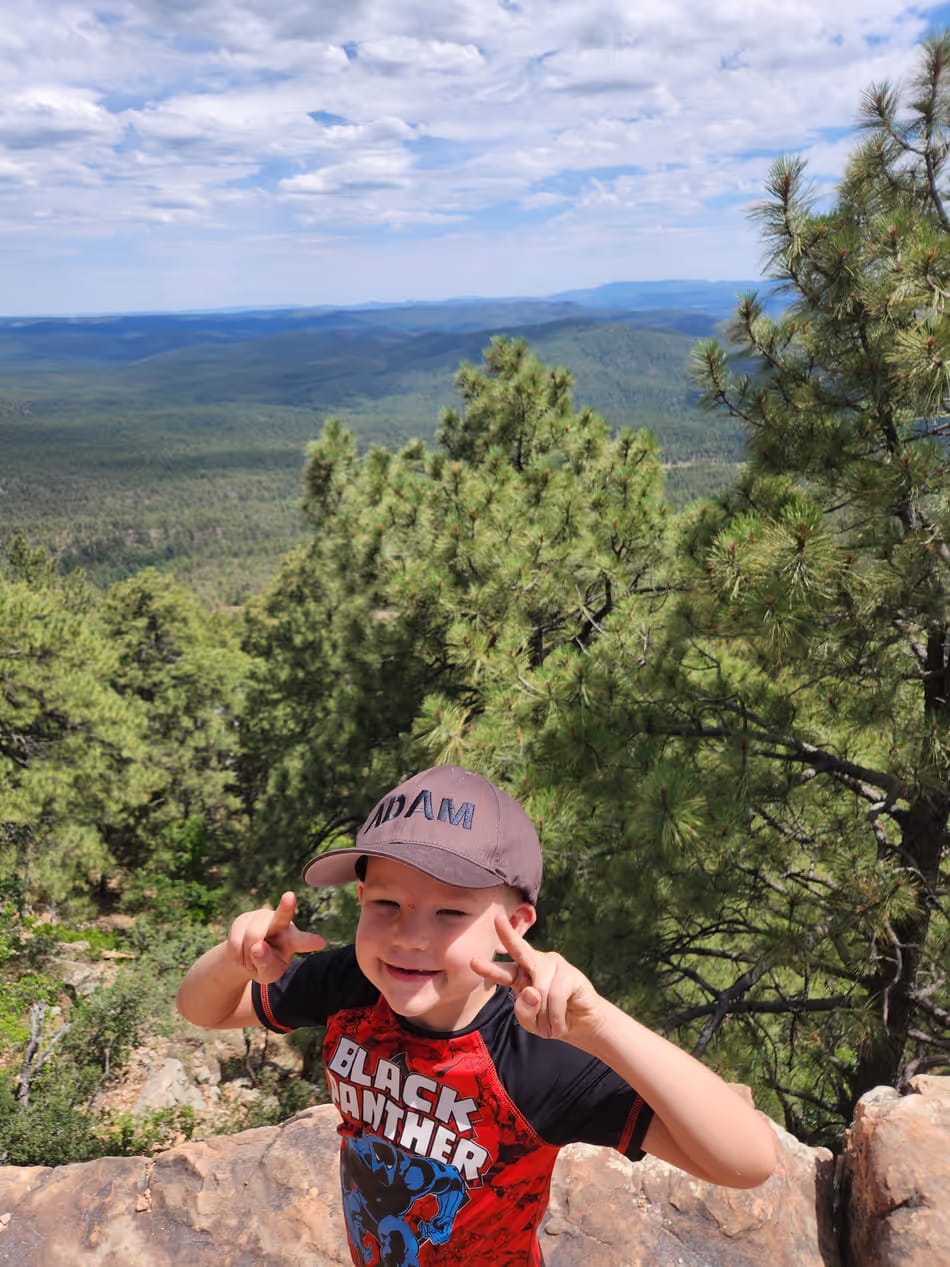
Elevation changes the Arizona experience. Rim Country can feel entirely different from the low desert on the same day. Health & Travels photo.
Start with elevation, not the calendar
Low desert
Phoenix, Scottsdale, Tucson and Yuma-area outings often make the most sense when direct sun and daytime heat are moderate. Even in cooler months, carry water and check exposure. Use the Catalina State Park family guide for one Tucson-area example.
Central highlands
Prescott, Payson and nearby mountain communities can bridge desert and high-country seasons. Conditions vary considerably by elevation and storm track.
Mogollon Rim and White Mountains
Pine forests, lakes and higher elevation can provide warm-season options, while snow, ice and seasonal road closures affect colder months.
Northern high country
Flagstaff and surrounding areas bring higher elevation, winter weather and rapid temperature changes. Prepare for altitude, cold and changing road conditions.
Arizona month-by-month family planning
| Months | Often worth considering | What can complicate the trip |
|---|---|---|
| Jan–Feb | Low-desert walks, wildlife areas, town-and-outdoors days | Mountain snow and ice, short daylight, cold mornings and winter storms |
| Mar–Apr | Desert outings, spring scenery, mixed town and trail trips | Fast warming, wind, crowds and limited shade on exposed routes |
| May | Earlier desert outings; increasing focus on central and higher elevations | Low-desert heat can arrive quickly; dry conditions and fire restrictions |
| Jun | High-country forests and lakes with careful weather planning | Extreme low-desert heat; monsoon season officially begins June 15 |
| Jul–Aug | Higher-elevation mornings, flexible lake and forest days | Lightning, flash floods, heavy rain, strong wind and dangerous desert heat |
| Sep | High-country trips and gradual seasonal transitions | Monsoon hazards continue through September 30; low desert may remain very hot |
| Oct | Expanding desert options, high-country fall conditions | Large day-to-night swings and early cold at elevation |
| Nov–Dec | Low-desert family outings and town-centered trips | Mountain winter weather, holiday crowds and early sunset |
This table helps narrow choices; it does not replace a forecast. Arizona weather varies by year, storm, elevation and exact location.
Winter: desert season and mountain-weather season
Winter can open lower-elevation trails and outdoor attractions that are far less practical in extreme heat. It can also produce snow, ice, road restrictions and genuinely cold conditions at higher elevations. Build separate plans for the destination and the drive—especially when the route climbs thousands of feet.
- Use hourly forecasts for both the activity and the return drive.
- Check Arizona 511 and the managing agency before mountain travel.
- Pack layers even when leaving a warm desert valley.
- Keep the primary activity shorter when daylight is limited.
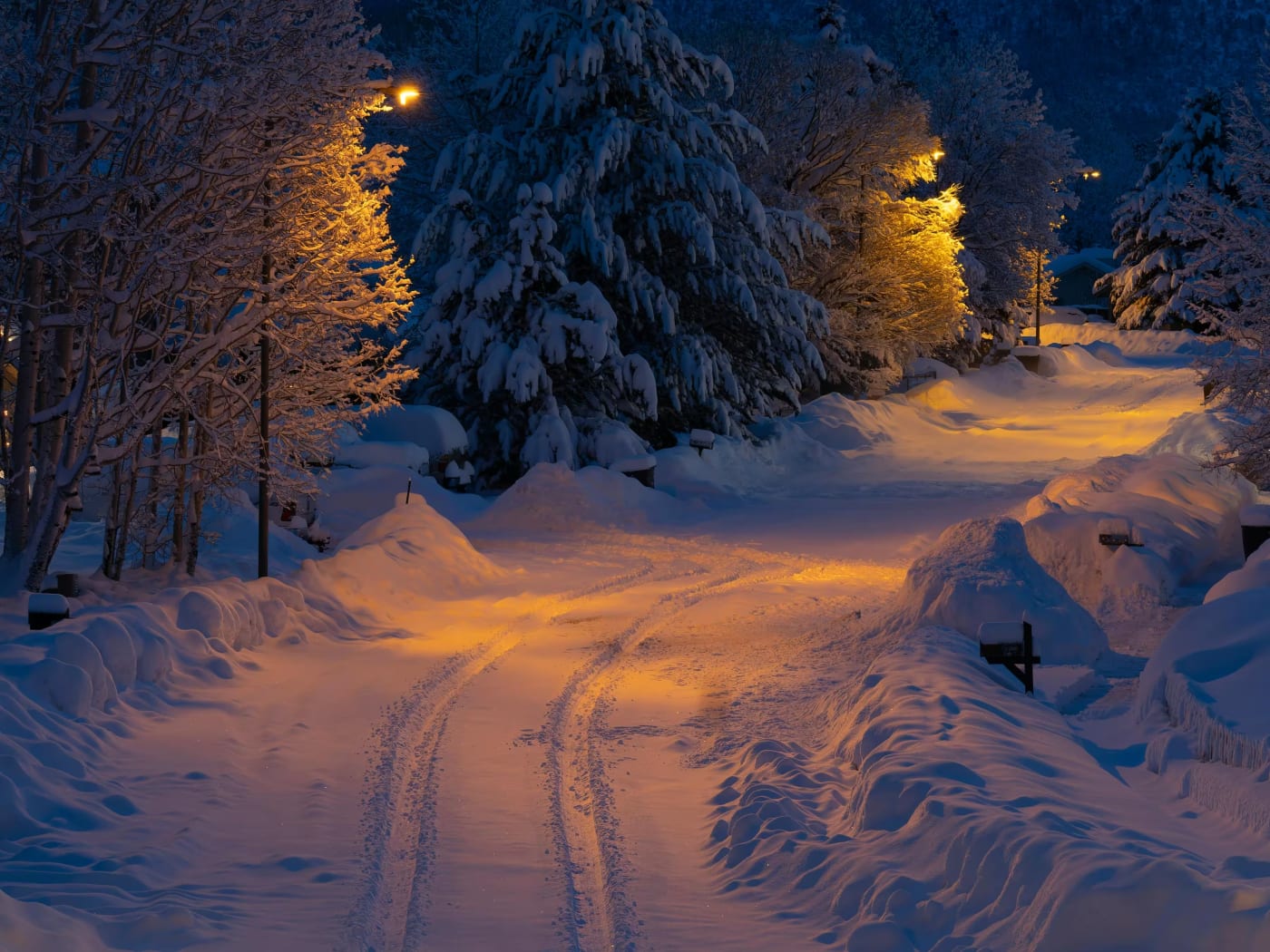
Winter in northern Arizona requires a different plan than winter in Phoenix. Health & Travels photo.
Spring: broad possibilities, rising heat
Spring can offer a wider choice of elevations, but “spring” is not one stable block. A comfortable exposed desert outing in March may be unsuitable at the same hour in May. Wind, pollen, crowds, snowmelt, dry vegetation and early heat all matter.
Choose the activity after checking the current conditions. If you are visiting a famous destination, an early arrival can help with parking and family pacing—but an early start does not make an unsafe forecast safe.
Summer: move the plan, not just the clock
Summer is when elevation becomes especially useful. Forests, lakes and mountain towns can give families alternatives to exposed low-desert exertion. They are not risk-free. High-elevation sun, dehydration, altitude, lightning, cold rain and fire restrictions can still reshape the day.
Summer family decision check
- Is the activity appropriate for the exact forecast and elevation?
- Is there reliable shade or a quick exit?
- Can the family reach a substantial building or enclosed vehicle if storms develop?
- Are current fire restrictions and road conditions confirmed?
- Is there a lower-effort backup near town?
Monsoon season: flexibility is part of safety
The National Weather Service defines Arizona's monsoon season as June 15 through September 30. The season can bring thunderstorms, lightning, strong winds, blowing dust, heavy rain and flash flooding. A storm does not need to be directly overhead to affect a wash or narrow canyon downstream.
Check the forecast before departure and again before committing to exposed terrain. If thunder is audible, move toward a substantial building or enclosed metal-topped vehicle. Do not use a tree, ramada or shallow overhang as lightning shelter, and never enter flowing floodwater.
Fall: transition season, not automatic perfection
Fall can expand lower-elevation options while cooler nights arrive in the high country. It is also a transition: low deserts may remain hot, northern areas may see freezing temperatures, and daylight shortens. Check sunset time and pack for the return, not just the starting temperature.
How to choose your family’s best window
- Pick the activity: hiking, lake time, town exploration, wildlife, snow play or a scenic drive.
- Pick the elevation band: low desert, central highlands or high country.
- Check the exact forecast: include wind, storms, overnight lows and the drive.
- Match the least-experienced traveler: age, mobility, health, altitude tolerance and heat tolerance matter.
- Build a backup: shorter, shaded, lower-exposure or closer to town.
Use the Arizona adventure matcher to narrow destinations by season and family needs, or review the complete family adventure planning guide.
Official sources to check before the trip
- National Weather Service Phoenix: local climate information
- National Weather Service Tucson: Arizona monsoon overview
- National Weather Service Flagstaff: northern Arizona forecasts and alerts
- Arizona 511: current highway conditions
- U.S. Forest Service Southwest Region: alerts and restrictions