
The short version
Choose one main outdoor or destination stop, add one nearby food plan, identify a reliable restroom, and keep one lower-effort backup. Treat map drive times as the beginning of the schedule—not the entire schedule—and check weather, roads and official alerts again before departure.
Arizona looks compact on an itinerary because destinations are easy to name: Phoenix, Sedona, Flagstaff, the Grand Canyon, Payson and Tucson. On the road, elevation changes, two-lane highways, construction, weather, fuel stops and family needs can turn a neat list into a long day.
A successful family road trip is not the one that collects the most pins. It is the one that gives everyone enough time to enjoy the reason they left home.
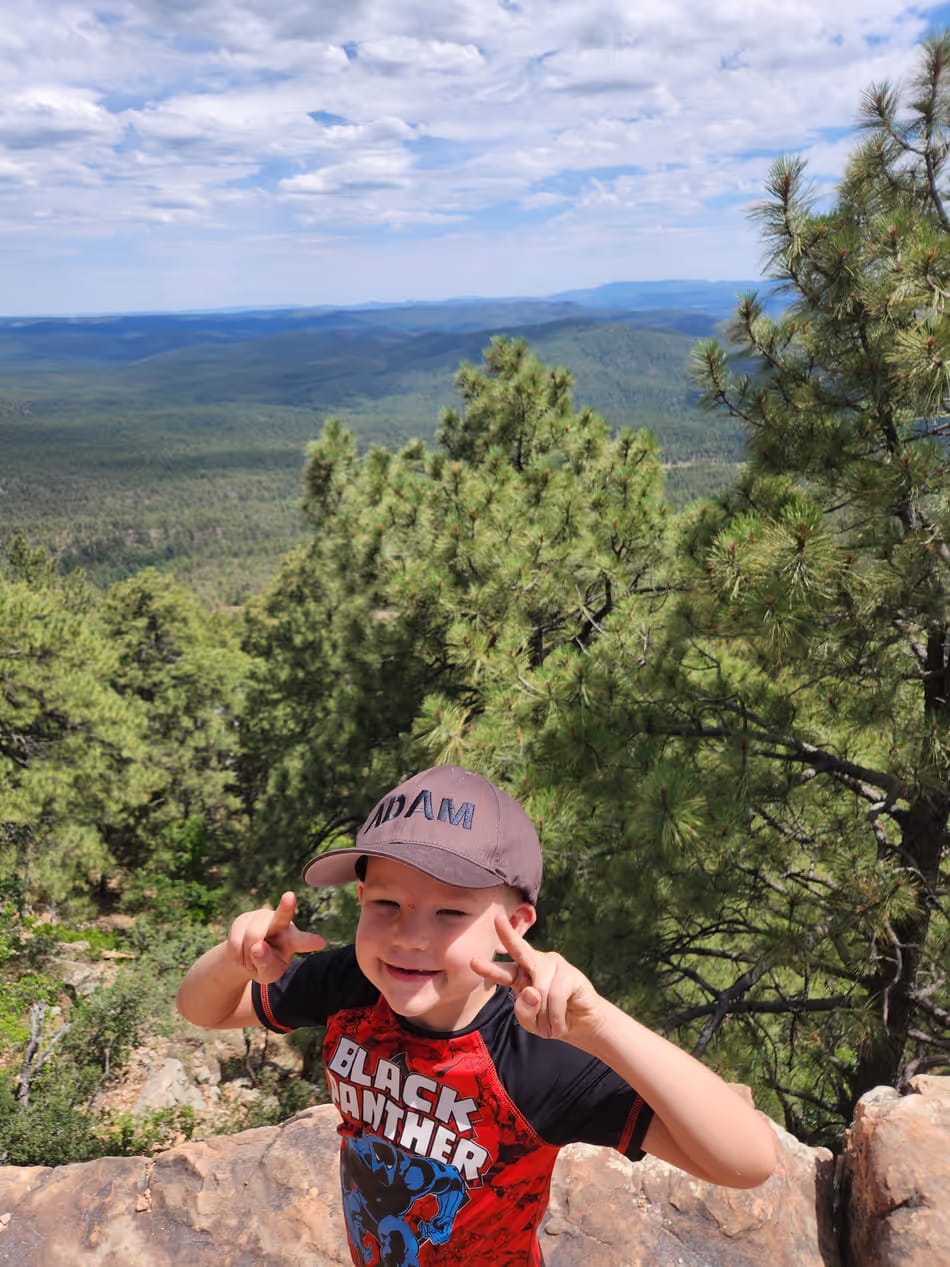
Rim Country rewards a flexible schedule with scenic viewpoints, forest stops and room to slow down. Health & Travels photo.
The one-anchor planning method
Start with the experience your family would be disappointed to miss. That is the anchor: a lake, a short hike, a museum, a viewpoint, a wildlife area or time in a mountain town. Everything else is either support or a bonus.
- Anchor: one main experience with a realistic arrival window.
- Support: parking, restrooms, food, fuel and the drive home.
- Bonus: one or two short stops that can disappear without ruining the day.
- Backup: a shaded, indoor, shorter or closer-to-town alternative.
Turn a map estimate into a family schedule
A navigation app estimates movement between points. It does not know how long your family takes to load the car, find parking, use a restroom, order lunch, apply sunscreen or settle a tired child. Add those pieces on purpose.
Before the drive
Allow time for breakfast, water bottles, the cooler, bathroom visits and a final conditions check.
During the drive
Plan a stop before the youngest traveler urgently needs one. On longer routes, identify fuel and restrooms in advance rather than assuming the next small community will have open services.
At the destination
Include parking and orientation time. Popular trailheads and viewpoints may require a longer walk or a changed plan when lots fill.
Before the return
Protect enough daylight and energy for the trip home. The final optional stop is usually the first thing to remove.
Five Arizona route patterns that work for families
These are planning shapes, not fixed itineraries. Weather, construction, closures and the starting point will change what is reasonable.
Phoenix to Sedona
Best shape: one red-rock anchor, lunch, then an optional creek or town stop.
Avoid trying to complete several famous hikes. Parking, crowds and family pace can consume more time than expected.
Phoenix to Payson and the Rim
Best shape: a forest or lake anchor, a picnic or Payson meal, and one viewpoint if conditions allow.
Higher elevation may feel cooler, but sun, storms, fire restrictions and forest-road conditions still matter.
Flagstaff to the Grand Canyon
Best shape: make the South Rim the day’s anchor and limit extras.
Use the National Park Service for current entrance, shuttle, weather and road information. An overnight creates more margin than combining Phoenix, Sedona and the canyon in one rushed day.
Tucson and Saguaro country
Best shape: a short desert experience paired with an indoor or shaded stop.
Choose the time and activity for the exact forecast. Exposed desert plans need especially conservative heat decisions.
White Mountains weekend
Best shape: one lake or forest anchor each day, with town-based meals and weather backups.
The longer drive makes a weekend more comfortable for many Phoenix-area families than a same-day out-and-back.
Prescott town-and-lake day
Best shape: choose either the lake or downtown as the anchor, then use the other as a flexible add-on.
This combination gives families options when weather, mobility or energy changes.

A high-country day can combine forest time with a simple town-based meal and a lower-effort backup. Health & Travels photo.
Plan for the least flexible traveler
The family schedule should fit the youngest child, the person with the lowest heat or altitude tolerance, and anyone with mobility, sensory, dietary or medication needs. That does not mean everyone gets the same activity. It means the plan does not depend on someone pushing beyond a safe or enjoyable limit.
- Put the most important activity near the family’s best energy window.
- Choose turnaround times before starting a trail or scenic drive.
- Confirm restroom availability instead of relying on a map icon.
- Carry familiar snacks and enough water for delays.
- Save offline directions and essential reservation details.
- Tell someone outside the group where you are going when the route leaves reliable service.
Food, water and restroom strategy
Food timing can decide whether the second half of the trip feels adventurous or exhausting. Choose a primary meal stop and a backup before leaving. Check current hours directly; seasonal businesses and small-town kitchens may close earlier than expected.
If your family has dietary restrictions, use the Arizona Family Food Stop Finder to create live restaurant and grocery searches and a call-ahead checklist for your destination.
Keep water and a simple meal or substantial snacks in the vehicle. Do not leave children, pets, food that can spoil or temperature-sensitive medication in a hot vehicle. If the family has medical or dietary requirements, plan around those needs rather than hoping a remote stop will have the right option.
Arizona conditions that can change the day
Heat and direct sun
Evaluate the exact place, time, exposure and activity. A cooler mountain destination can still have strong sun, limited shade and dehydration risk. A very early start does not rescue an activity that is wrong for the forecast or group.
Monsoon thunderstorms and flash floods
Thunderstorms can bring lightning, strong wind, blowing dust, heavy rain and rapid flooding. Do not enter flooded roads or washes. Avoid narrow canyons and drainage areas when flooding is possible, including when storms are occurring upstream.
Winter roads
Snow and ice can affect high-elevation routes even when the starting city is clear. Check the route, destination and return window. Carry appropriate cold-weather supplies and follow official restrictions.
Wildfire and restrictions
Fire restrictions, smoke, closures and emergency activity may change access. Check the land manager responsible for the exact destination; rules can differ across adjacent jurisdictions.
Family road-trip packing checklist
Keep these reachable—not buried under luggage
- Water plus extra for an unexpected delay
- Familiar snacks and a simple backup meal
- Sun protection, layers and weather-appropriate clothing
- First-aid supplies and required medications
- Charged phones, charging cable and battery pack
- Offline directions, reservations and emergency contacts
- Trash bags, wipes and spare clothing for children
- Flashlight or headlamp
- Seasonal vehicle supplies appropriate to the route
Turn this framework into your trip
Tell Sage who is traveling, how far you want to drive and what matters most. Use the result as a starting point, then verify hours, weather, roads and official alerts before leaving.
Build My Arizona TripThe evening-before and morning-of checks
- Check the hourly forecast at the destination and along the route.
- Review Arizona 511 for highway conditions and incidents.
- Open the managing agency’s alerts, closures and restrictions.
- Confirm tickets, parking, operating hours and restroom access.
- Download directions and save key phone numbers.
- Tell the family what the anchor and backup plans are.
- Recheck conditions before committing to remote or exposed terrain.
Official sources to check
- Arizona 511: current highway conditions and incidents
- National Weather Service Phoenix: forecasts and alerts
- National Weather Service Flagstaff: northern Arizona forecasts and alerts
- National Weather Service: flood safety
- Grand Canyon National Park: current conditions
- U.S. Forest Service Southwest Region: alerts and restrictions