
The short answer
A good first Sedona day with kids usually needs only three parts: one outdoor anchor, one predictable reset, and one optional scenic stop. Pick the anchor by the least-experienced walker, start earlier than feels necessary, and treat a summit or famous photo as optional—not the definition of success.
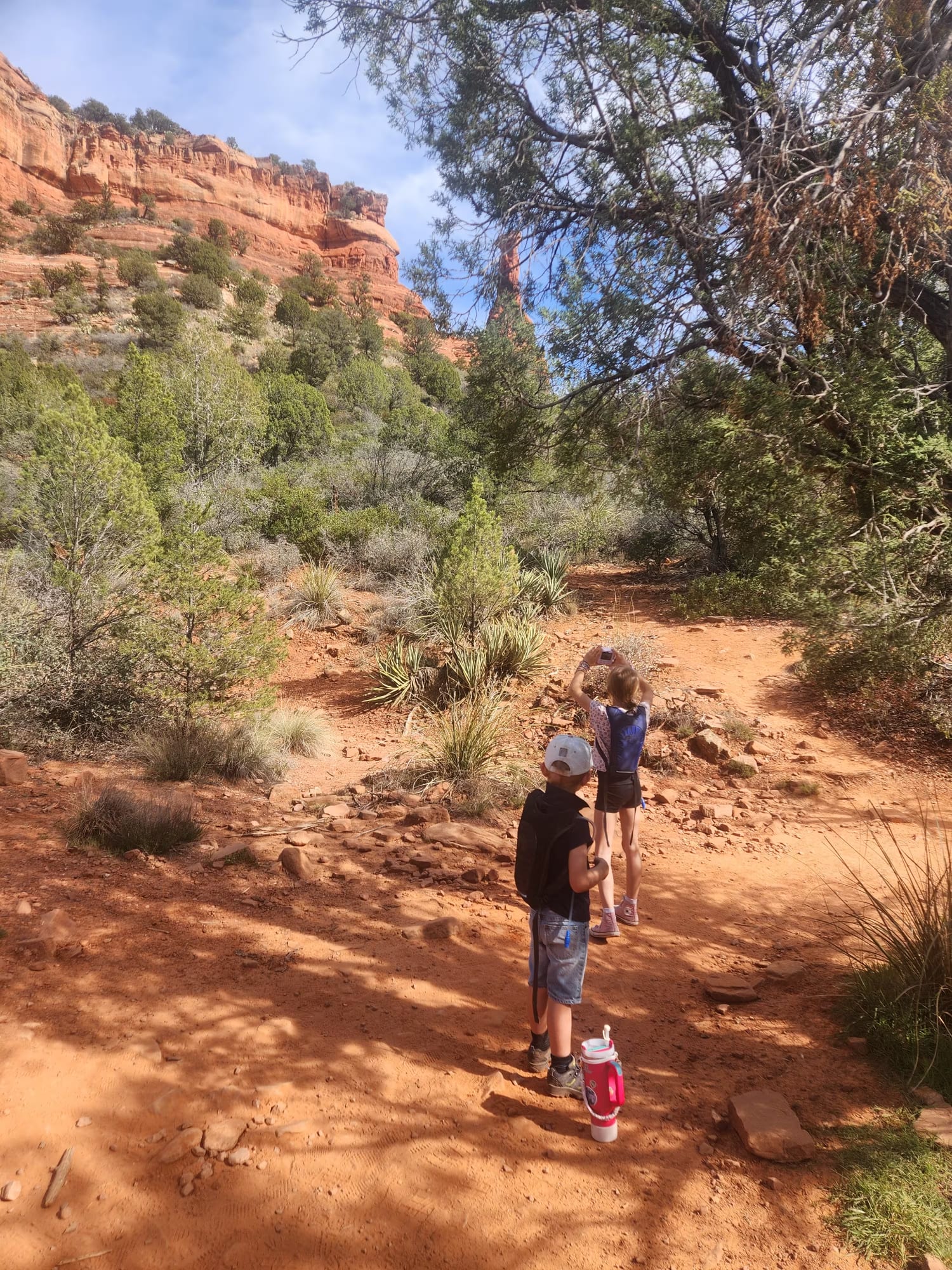
Sedona works best when scenery is available throughout the day—not saved for one difficult endpoint. Health & Travels photo.
Choose the right kind of Sedona day
Scenery-first day
Choose a flexible out-and-back walk, picnic or creek-area stop, then leave room for a viewpoint. Avoid making a steep scramble the family’s only way to see red-rock scenery.
Short-hike day
Start with a defined turnaround time on an adjustable trail such as Bell Rock Pathway or Little Horse. These areas are exposed, so weather and start time matter.
Divide-and-regroup day
Let stronger walkers extend the route only when another adult can return with the shorter-distance group. Rejoin at a specific, reliable place for food.
Town-and-viewpoint day
Use a short outdoor window, then move to a visitor center, museum, meal or scenic drive. A changed plan is better than forcing a hike into poor conditions.
A realistic one-day family itinerary
Start with conditions, not a saved photo
Check the National Weather Service forecast, current forest alerts, road conditions and shuttle status. Decide the turnaround time before leaving the car or shuttle.
Complete one outdoor anchor early
Use a flexible trail or creek-area visit that lets the family shorten the outing. Carry water and sun protection, and do not count on cell service or trail water.
Schedule food before everyone needs it
Pick the meal location in advance and carry reliable snacks. Sedona traffic and parking can make an unplanned food search longer than expected.
Use one optional afternoon stop
A viewpoint, visitor center, short town walk or scenic pullout keeps the afternoon adjustable. Skip it without guilt if weather, traffic or family energy says the day is finished.
Family activity options and their tradeoffs
| Option | Why families consider it | Plan around |
|---|---|---|
| Bell Rock Pathway | Red-rock views begin quickly and an out-and-back route can be shortened. | Exposure, limited shade and the temptation to leave the main pathway for steeper rock. |
| Little Horse area | Scenery and adjustable distance without requiring a summit. | Sun exposure and trailhead transportation; verify the current shuttle route. |
| West Fork of Oak Creek | Canyon scenery and creek crossings can feel different from the open red rock. | Parking, fees, seasonal crowding, wet or icy footing, and creek conditions. |
| Crescent Moon area | Picnic-style pacing and views of Cathedral Rock can suit a lower-mileage day. | Current operating status, admission, creek safety and limited availability. |
| Scenic drive and visitor-center day | Useful during poor hiking weather or when the group needs a recovery day. | Traffic, road conditions and avoiding unsafe roadside stops. |
Names above are starting points, not guarantees of suitability. Conditions, fees, access and services change. Confirm the exact destination with the land manager before departure.
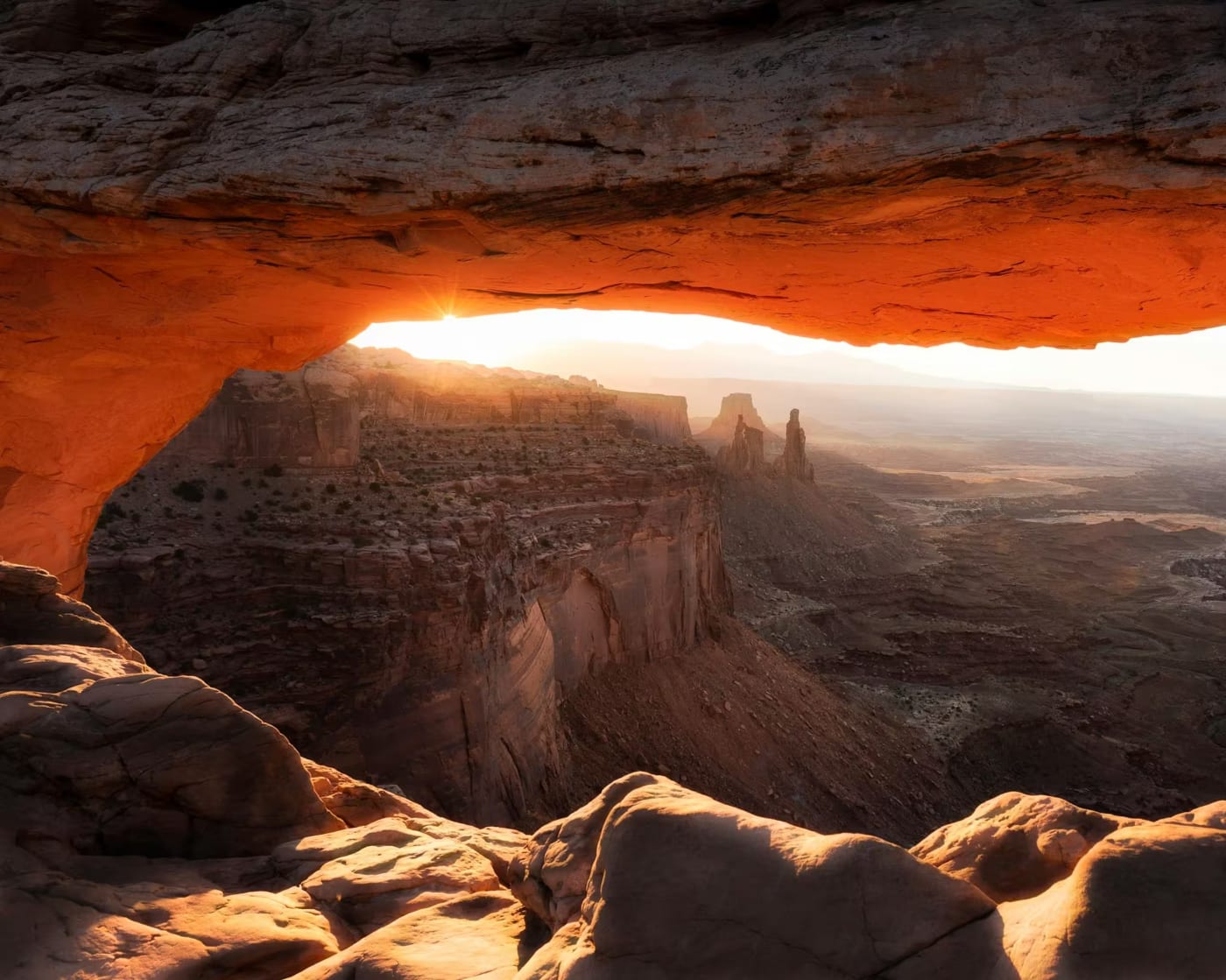
Open red-rock terrain can offer tremendous views with very little shade. Health & Travels photo.
Parking and the Sedona Shuttle
The City of Sedona operates free fixed-route shuttles to several popular trailheads. Reservations are not required, but service days, individual routes, closures and parking restrictions can change. Some trailhead parking closes while shuttle service is operating.
- Check the official Sedona Shuttle route page the same day you travel.
- Confirm the correct park-and-ride lot for your chosen trailhead.
- Save the last return time and build margin into the hike.
- Bring what the family needs; do not assume the trailhead has food, water or every restroom amenity.
- Have a non-shuttle backup in case your preferred route is temporarily unavailable.
Heat, storms and seasonal decisions
Warm months
Sedona can remain much warmer than Flagstaff because of elevation and terrain differences. Start early, choose shorter exposed walks, and check the current HeatRisk and forecast rather than treating “northern Arizona” as one temperature.
Monsoon period
Thunderstorms can bring lightning, strong winds and flash flooding. If you hear thunder, move to a substantial building or hard-topped vehicle. Do not enter washes or narrow drainage areas when storms threaten.
Cool months
Morning ice, snow, mud and short daylight can change an otherwise familiar route. Pack layers and verify trail and road conditions instead of relying on photographs from a different week.
Stop and change the plan when
- A child is unusually quiet, dizzy, confused, nauseated, unsteady or no longer keeping pace.
- Thunder is audible or rapidly building clouds threaten the route.
- The group is using more than half its planned time or water before the turnaround point.
- The return depends on catching a shuttle without enough time margin.
- Water is moving through a wash, roadway or creek crossing in a way you did not plan for.
Heat stroke, severe breathing difficulty, loss of consciousness and other life-threatening symptoms require emergency help. Call 911 when possible.
What to carry for a family outing
- Water for every person, plus a realistic reserve
- Salty and familiar snacks
- Sun hats, sunscreen and weather-appropriate layers
- Offline map or printed route information
- Small first-aid kit and essential medications
- Charged phone and backup battery
- Headlamp when timing could approach dusk
- Specific meeting and turnaround plans
The Coconino National Forest’s Red Rock Recreation Guide recommends thorough preparation and notes that cell and GPS reception can be limited. Use its current guidance for the area you plan to visit.
Turning the day into a weekend
For a two-night trip, resist repeating the same high-output day twice. A useful rhythm is:
- Arrival: food, check-in and one short scenic stop.
- Main day: early outdoor anchor, midday reset and optional viewpoint.
- Departure: shorter creek, town or visitor-center stop before driving home.
Estimate lodging, meals, parking and activities with the Arizona Family Trip Budget Planner. If Sedona does not match the season or family needs, use the Arizona Adventure Matcher to compare another region.
Official sources to check
- Coconino National Forest for Red Rock Ranger District alerts and recreation guidance
- City of Sedona Trailhead Shuttles for current routes and schedules
- National Weather Service Flagstaff for forecasts and weather hazards
- Arizona 511 for current highway conditions
- Arizona Heat Resource Hub for current heat information and resources